Author: Elena Russell is an Assistant Principal at a Secondary School in Birmingham. She has responsibility for SEND, Literacy and ECTs and has a passion for raising the literacy levels of the most vulnerable students. She has been teaching for 8 years.
This is a literacy intervention that has worked for us… the 150 challenge!
“Why don’t boys like reading?”
“How do I get my son to read?”
“Boys stop reading in secondary school..”
It obviously isn’t true that all boys don’t like to read, but it is true that it is challenging to create a reading for pleasure culture in a comprehensive, all boys secondary school. Some studies suggest that boys want an ‘immediate function’ for what they read and learn and that reading should give an instant, recognisable gratification in order to keep levels of engagement high. Reading for Pleasure is a huge primary initiative but is often lost in secondary schools.
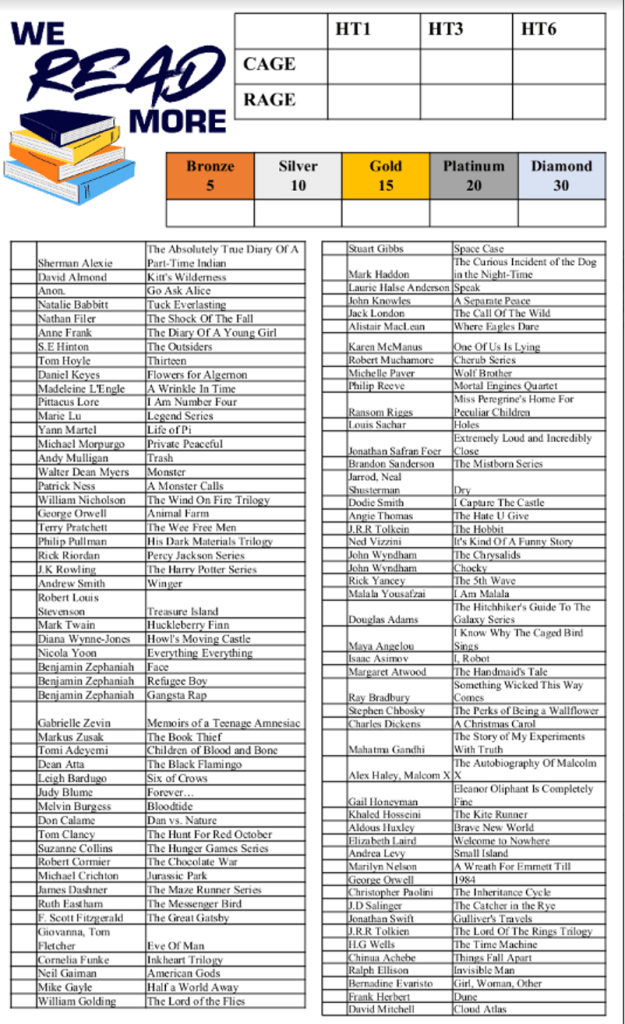
We introduced the ‘150 Challenge’ where students received a list of 150 books to read in their 5 years at secondary school. The list has a variety of authors, themes, reading age levels from ‘classics’ to modern texts that teachers collaboratively thought students would love. The library was then stocked up and ready to go. Once a student reads a book, they complete a book review using our school template and this is logged on the 150 tracker as one step closer to that 150 goal, earning badges and prizes along the way.
5 books = your bronze badge, 10 books = your silver badge, 15 = your gold, 20 = your platinum and so on!
Students wear their badges with pride and love the competitive element of the challenge. One of the key things with boys and competition is to remember they don’t ‘all’ love it, however in this case the only person they are in competition with is themselves as they improve!
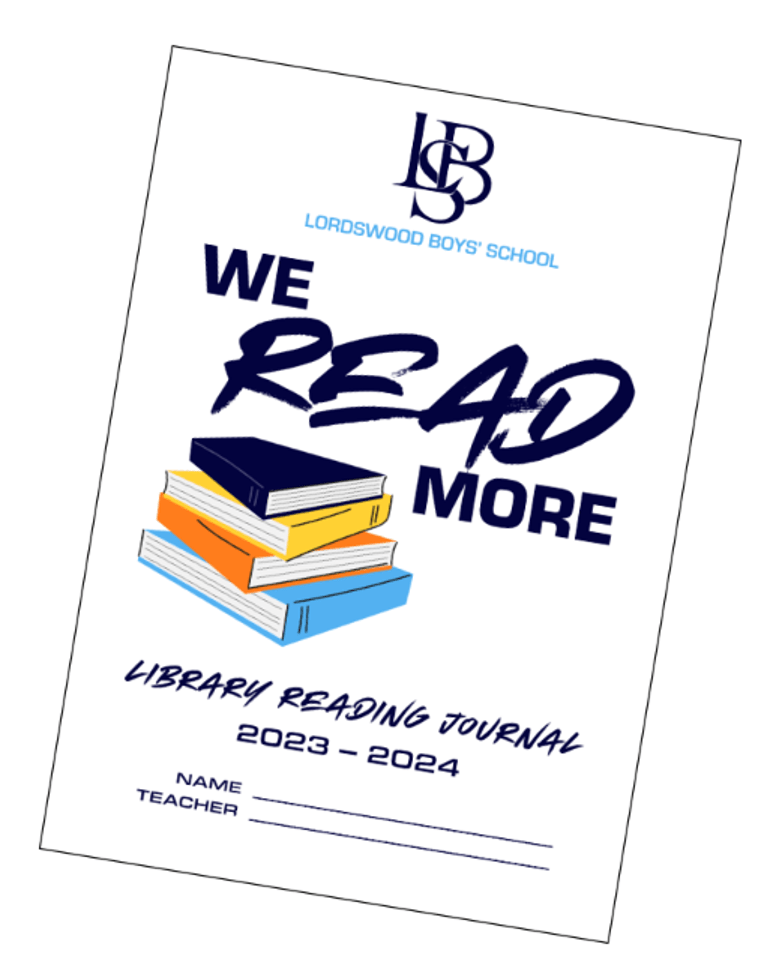
The success of any reading programme relies on parental engagement. We knew we had to come up with an effective way to get parents on board and communicate progress and the 150 is great for this as they love supporting students along the challenge. We also publish a half termly Literacy Newsletter on our website where parents can see the badges earned this half term and which year group is top of the leader board! When we opened up our ‘Reading Café’ for parents on World book day, they loved looking through the students reading journals and helping out with the book reviews. The Reading Café had a significant impact on parental engagement, we took inspiration from primary schools and their Reading for Pleasure initiatives as this is a really successful primary initiative, but often gets lost in secondary schools.
Another great benefit was that the students could clock up volunteering hours towards their Duke of Edinburgh award by helping out in the library and keeping the 150 trackers up to date which helps alleviate pressure off teachers and support staff.
Differentiation is another potential barrier as some students require support with accessing the more challenging texts so we modified the challenge slightly by adding in the ‘extra 10’ where students can have up to 10 books that aren’t on the list that still contribute towards the challenge. This acts as an effective spring board into the challenge for some of our more reluctant readers. The challenge also has a positive impact in drawing in the local community as we utilise reading volunteers and mentors who come into school and support the challenge and enjoy reading with students and helping them complete their book reviews.
We have seen a massive increase in our reading for pleasure culture and the profile of reading and literacy around the school. Students love earning badges and taking pride in their reading. In terms of next steps, we set ourselves the ambitious targets of at least 85% engagement across all year groups from 7 – 10. We are looking forward to organising a literacy rewards trip for the students who have made the most progress this year and increasing our rewards and celebration for the students engaging with the challenge.







 The Literacy Community
Leave a comment